

Gerould's
Updated 8:46 AM CDT, Fri April 17, 2026
Published Under: Mobility
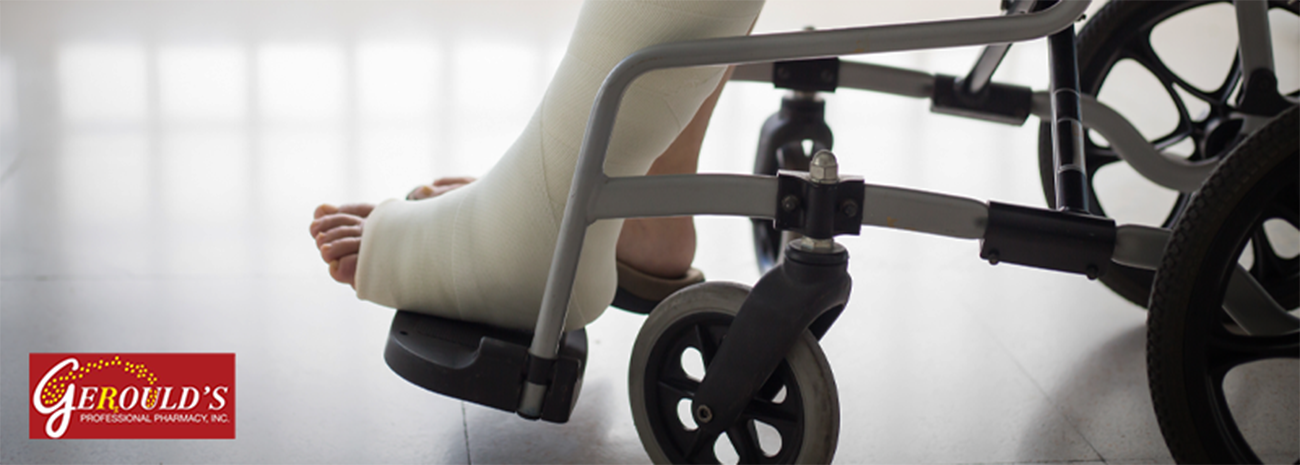
Recovering at home after surgery often comes with a learning curve. Movements that once felt automatic, like standing up, walking across a room, or getting to the bathroom can suddenly require significant effort and concentration. The right equipment can help bridge that gap, making daily tasks safer while your body focuses on healing.
Whether you’re recovering from joint replacement, abdominal surgery, or a short hospital stay, mobility and safety equipment can play an important role in preventing falls, reducing strain, and restoring confidence during recovery.
Why Mobility Support Matters After Surgery
After surgery, your balance, strength, and endurance may be temporarily limited. Even short trips between rooms feel challenging at first for many people. It’s not just because of your body’s recovery either; medication side effects, swelling, or restricted weight-bearing can all affect how safely someone moves around the home.
Mobility equipment is designed to provide stability during this phase — not to slow recovery, but to support it. Using the right tools early can help prevent setbacks and allow patients to move with more control and less fatigue.
Walkers, Rollators, and Canes for Steady Movement
One of the most common post-surgery needs is extra support while walking. Depending on the type of surgery and your provider’s recommendations, this might mean using a walker, rollator, or cane for a short period.
- Walkers provide the widest base of support and are often recommended early in recovery, especially after orthopedic procedures.
- Rollators (walkers with wheels and a built‑in seat) are helpful for those who need to rest frequently.
- Canes offer lighter support as balance and strength improve.
Gerould’s offers a range of walking aids, including canes and crutches designed for comfort and adjustability, as well as wheeled options for smoother movement around the home.
See Our Full Line of Mobility Services
Support for Sitting and Standing
Standing up from a bed, couch, or chair can be one of the most uncomfortable movements after surgery. Support aids designed to assist with sitting and standing help reduce pressure on healing areas and encourage safer movement.
Products like stand-assist devices and lift-style seating options provide extra leverage without requiring full body strength. These supports can be especially helpful during the first few weeks at home.
Bathroom Safety Equipment for Daily Confidence
The bathroom is one of the most common places where people feel unsteady after surgery. Wet surfaces, tight spaces, and frequent transitions from sitting to standing all increase fall risk.
Simple bathroom safety equipment can make a meaningful difference during recovery. Shower chairs or transfer benches allow patients to bathe while seated, reducing fatigue and improving stability.
Raised toilet seats and safety frames make sitting down and standing up easier, especially after hip or knee surgery.
Properly installed grab bars provide reliable support where it’s needed most.
These types of everyday supports are part of Gerould’s broader home safety and mobility offerings available through our online store.
*Add Read more button with link to Blog 1*
Wheelchairs and Transport Chairs for Longer Distances
Some patients find that walking short distances at home is manageable but longer trips like follow-up appointments require additional support.
Temporary use of a wheelchair or transport chair can:
- Reduce strain and fatigue
- Prevent setbacks
- Help conserve energy during healing
Gerould’s carries wheelchairs and transport chairs designed for comfort, portability, and ease of use, which can be helpful during the early stages of recovery or when mobility is limited outside the home.
Choosing Equipment That Fits Your Recovery Plan
Post-surgery needs vary from person to person. The right equipment depends on the type of surgery, mobility restrictions, and your home’s layout. What matters most is choosing options that feel stable, comfortable, and appropriate for the recovery stage.
If you’re unsure which mobility aids or safety equipment would be most helpful, Gerould’s Professional Pharmacy offers access to knowledgeable staff who can help guide equipment selection. Our online catalog makes it easy to explore available options, and their team can assist with questions along the way.
A safer recovery space supports healing by reducing risk, simplifying care routines, and giving patients confidence throughout the recovery process
Frequently Asked Questions About Post‑Surgery Recovery Equipment
Do I really need mobility equipment if recovery is temporary?
Even short‑term use of equipment can prevent falls, reduce pain, and promote safer movement while your body heals.
How long will I need post‑surgery equipment?
That depends on the surgery and individual recovery. Many people only need equipment for a few weeks, while others transition gradually as strength returns.
Can using mobility equipment slow my recovery?
No. When used correctly, equipment supports safe movement and can help prevent setbacks that delay recovery.
What equipment is most helpful right after surgery?
Common needs include walkers, bathroom safety equipment, and sit‑to‑stand supports. Your provider may recommend specific items based on your procedure.
Should caregivers be involved in equipment decisions?
Yes. Caregivers can help assess home layout, daily routines, and safety challenges that influence which equipment is most helpful.
Does insurance or Medicare cover recovery equipment?
Coverage varies based on diagnosis and equipment type. Gerould’s team can help explain eligibility and options.
What if I’m not sure what I need yet?
That’s common. Starting with basic safety supports and adjusting as recovery progresses is often the most practical approach.
Comments