

Gerould's
Updated 8:46 AM CDT, Fri April 17, 2026
Published Under: Aging In Place Bathroom Safety Fall Prevention
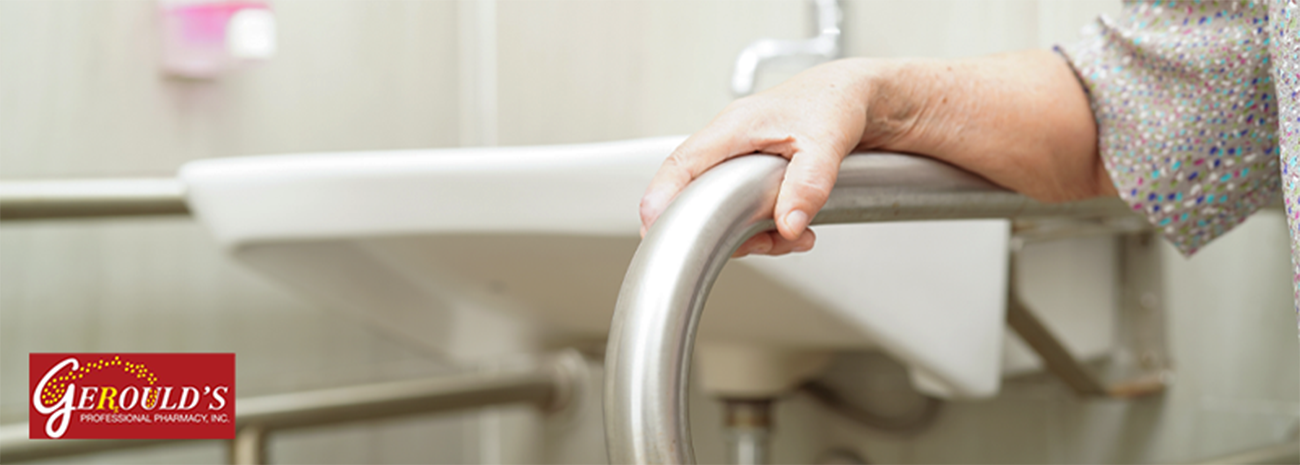
The bathroom doesn’t usually feel risky. It’s familiar, functional, and part of a daily routine most people don’t think twice about. That’s exactly why risk factors get missed. Tight spaces, smooth surfaces, and everyday habits can quietly turn into safety issues, especially for aging adults, people using mobility aids, and someone supported at home by a caregiver.
Many injuries happen because of smaller details that are easier to overlook. This guide focuses on the risk points people don’t always notice and practical ways to make bathrooms safer without turning your home upside down.
Why the Bathroom Deserves a Second Look
Bathrooms get a lot of use, often when we’re tired, distracted, or moving quickly. Add water, limited space, and hard surfaces, and there’s very little room for error.
The most common hazards usually come down to:
- Things that change throughout the day, like lighting or water on the floor
- Things we rely on out of habit, like fixtures, storage spots, or worn equipment
When dim lighting, a loose fixture, or a wet patch causes you to stumble, that’s when disaster can strike. Paying attention to these factors can help prevent falls and make everyday routines feel more manageable.
Lighting That Works — Until It Doesn’t
Bathroom lighting often feels “good enough” during the day, then quickly becomes a problem early in the morning or in the middle of the night. Shadows around the toilet or tub can mess with depth perception, while glare from shiny floors can be just as disorienting. Many bathrooms also lack any kind of low-level lighting, causing you to adjust quickly to harsh light, or play a guessing game in total darkness.
A few thoughtful changes can make a noticeable difference. Soft night lights or motion-activated lighting help guide movement without fully waking the space.
Warm, even lighting is often easier on the eyes than a single bright overhead fixture, and making sure light switches are easy to reach as you enter the room reduces fumbling in the dark. The goal isn’t brighter lighting; it’s more usable lighting.
Throw Rugs and Small Floor Changes
A throw rug can make a bathroom feel warmer, but it’s also one of the easiest ways to create a trip hazard.
Common issues include:
- Rugs without non-slip backing
- Edges that curl or slide
- Mats that stay damp and slick
Safer alternatives:
- Skip loose rugs altogether when possible
- Use non-slip mats made specifically for bathrooms
- Place absorbent mats just outside the shower or tub, not in walking paths
If something slides or shifts underfoot, swap it out with a more stable option.
Fixtures That Look Supportive but Aren’t
When balance feels unsteady, most people don’t stop to think about what they’re grabbing. They simply reach for whatever is closest to prevent a fall. In many bathrooms, that ends up being a towel bar, the edge of the vanity, or even the shower door. The problem is that these fixtures aren’t designed to support your body weight and can give way at exactly the wrong moment.
The best fix for this issue is support that’s built for the job and placed where it’s naturally needed. Properly anchored grab bars near the toilet and bathing areas provide something solid to rely on when sitting down, standing up, or stepping in and out of the shower.
Placement matters just as much as installation. Support should be there before you need it, not a few inches out of reach. The difference between a near-miss and a fall often comes down to whether what you grabbed was actually meant to hold you.
Get a Free Home Consultation Today
Tight Spaces and Mobility Aids
Bathrooms aren’t always designed with walkers, canes, or wheelchairs in mind.
Common challenges:
- Narrow doorways
- Limited room to turn or reposition
- Toilets placed too close to walls or tubs
Small changes that can help:
- Clear out unnecessary furniture or storage
- Use raised toilet seats or safety frames when needed
- Adjust layouts, where possible, to create clearer paths
Even modest layout changes can significantly improve daily movement and confidence.
Water, Temperature, and Grip
Water creates multiple risk factors. Slippery surfaces are an obvious concern, but sudden changes in water temperature can also throw someone off balance.
Things to watch for:
- Smooth tub or shower floors
- Handles that are hard to grip
- Faucet temperature that changes quickly
Helpful solutions include:
- Add non-slip strips or textured mats
- Use lever-style handles that are easier to control
- Consider temperature-regulating options to avoid sudden heat changes
Steady control matters just as much as good traction.
Storage That Requires Reaching or Bending
Where bathroom items are stored plays a bigger role in safety than many people realize. High shelves encourage stretching, low cabinets require deep bending, and supplies tucked behind the toilet or tub often lead to twisting on wet floors.
Keeping everyday items between waist and shoulder height reduces risky movements. Wall-mounted organizers or dispensers can free up counter space and make essentials easier to reach. The less reaching, bending, and twisting required, the better.
A More Thoughtful Bathroom Makes Daily Life Easier
Most bathroom injuries don’t happen during unusual situations; they happen during everyday routines. Paying attention to small details like lighting, layout, and storage can go a long way toward preventing accidents and making the space feel steadier.
If you’re helping a loved one stay safe at home, using mobility equipment yourself, or planning ahead for aging in place, a bathroom safety check is a good place to start. The team at Gerould’s Professional Pharmacy can help you explore equipment and practical solutions designed for real homes and real life, so your bathroom works with you, not against you.
Learn More About Gerould’s Home Safety Offerings
Frequently Asked Questions About Bathroom Safety at Home
What is the biggest bathroom safety risk at home?
Falls caused by slipping, poor lighting, or lack of proper support are the most common risks, often during routine movements like standing up or stepping out of the shower.
Do grab bars require a full bathroom remodel?
No. Many grab bars can be installed without major renovations and placed based on individual needs and bathroom layout.
Are towel bars safe to use for support?
No. Towel bars are not designed to hold body weight and can pull away from the wall when leaned on.
When should someone consider bathroom safety equipment?
Any time balance, strength, or mobility changes, or when planning for aging in place. Safety improvements are often easier before a fall occurs.
Can small changes really reduce fall risk?
Yes. Adjustments like better lighting, non‑slip mats, and improved storage placement can significantly improve safety without major disruption.
Should caregivers be involved in bathroom safety decisions?
Absolutely. Caregivers often notice daily challenges and can help ensure safety solutions support independence rather than limit it.
Does insurance or Medicare cover bathroom safety equipment?
Coverage varies. A Gerould’s team member can help explain options and eligibility depending on individual circumstances.
Comments