

Gerould's
Updated 8:46 AM CST, Tue November 3, 2026
Published Under: Guides
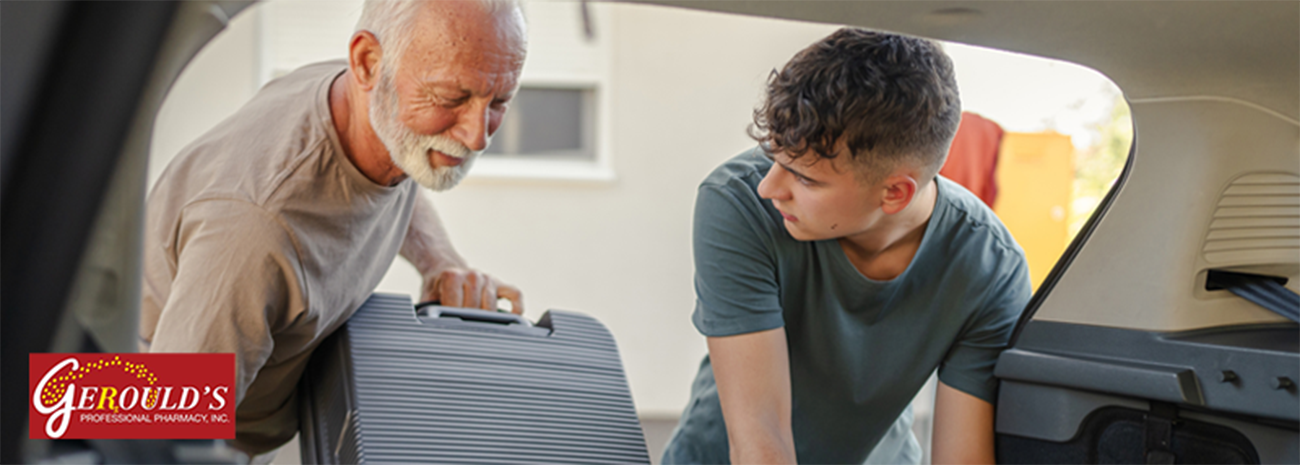
Holiday travel is exciting, but it can take extra preparation when medical equipment, medications, and supplies need to come along. Between winter weather, crowded travel schedules, and time away from home, it's easy to worry about forgetting something important.
The good news is that packing medical equipment for holiday travel doesn't have to feel overwhelming. With a practical packing plan, you can keep essential equipment organized, protect important devices, and prepare for the possibility of delays. This guide covers what to pack, what to keep accessible, and how to get ready for travel by car or air, hotel stays, and visits with family and friends.
Quick Navigation
- Start with a Medical Equipment Travel Checklist
- Decide What Needs to Stay with You
- Protect Equipment from Damage and Winter Weather
- Pack Extra Supplies for Delays and Schedule Changes
- Plan for Power, Space, and Accessibility at Your Destination
- Special Planning for CPAP, Oxygen, and Mobility Equipment
- Check Everything Before You Leave
- How Gerould's Can Help Before Holiday Travel
- Frequently Asked Questions About Holiday Travel with Medical Equipment
Start with a Medical Equipment Travel Checklist
A written medical equipment travel checklist makes packing much easier and reduces the chance of overlooking something important. Before packing, make a list of:
- Medical devices and equipment
- Prescription medications
- Disposable medical supplies
- Charging cables and power cords
- Approved batteries
- Adapters and accessories
- Protective cases
- Cleaning supplies
- Equipment documentation
- Emergency contact information
Separate daily essentials from items that are simply helpful to have. This can make luggage decisions easier, especially when space is limited.
What Medical Equipment Should Stay With You?
Many travelers ask whether medical equipment should go in checked luggage. The answer depends on the equipment and your mode of transportation. Items that are fragile, difficult to replace, or needed during travel are often best kept readily accessible.
That may include:
- Medications
- Essential medical devices
- Power supplies
- Required batteries
- Equipment documentation
- Emergency contacts
Transportation policies can vary by airline, battery type, device, and destination. Check with your transportation provider before your trip to confirm current requirements.
Related Reading: Traveling with Medical Equipment: A Summer Trip Planning Guide
Protect Equipment from Damage and Winter Weather
Winter conditions can be hard on medical equipment. Cold temperatures, moisture, snow, and frequent transitions between outdoor and indoor environments may affect certain devices and batteries. Protecting your equipment during transport can help reduce the risk of damage.
We recommend:
- Using manufacturer-recommended carrying cases when available
- Keeping equipment dry
- Avoiding unnecessary exposure to extreme cold
- Securing cords and accessories during transport
- Following manufacturer storage instructions
Some devices and batteries may require time to reach appropriate operating conditions after exposure to cold temperatures. Always follow manufacturer guidance.
Pack Extra Supplies for Delays and Schedule Changes
Holiday travel doesn't always go according to plan. Winter weather, traffic delays, and schedule changes can extend a trip unexpectedly. Consider packing extra:
- Disposable supplies
- Frequently replaced accessories
- Approved charging accessories
- Batteries
- Medication information
- Pharmacy contact details
When packing medications for travel, follow pharmacy instructions and transportation requirements. Avoid repackaging medications in ways that conflict with medication labeling or transportation guidance.
Rather than relying on a set number of backup days, consider your destination, trip length, and the possibility of delays.
Plan for Power, Space, and Accessibility at Your Destination
A little planning before arrival can help avoid surprises. If you're staying with relatives or friends, ask a few practical questions:
- Is there an outlet near the bed?
- Will there be room for equipment?
- Are there stairs to navigate?
- Is the bathroom easily accessible?
- Where can devices be charged safely?
- Will mobility equipment fit comfortably through doorways?
The same considerations apply to hotels and other accommodations. Travelers using respiratory devices, oxygen equipment, or mobility aids often benefit from confirming these details before they arrive.
Special Planning for CPAP, Oxygen, and Mobility Equipment
Certain types of equipment may require additional preparation.
Traveling with a CPAP or BiPAP Device
When traveling with a CPAP machine, keep all components together. Your packing list may include:
- Device
- Mask
- Tubing
- Power supply
- Required accessories
Review manufacturer recommendations for cleaning, water use, storage, and travel. Transportation requirements should be confirmed before departure.
If you need supplies before your trip, explore our respiratory equipment and supplies.
Traveling with Oxygen Equipment
Traveling with oxygen equipment often requires advance coordination. Before leaving, it’s a good idea to:
- Contact your healthcare provider
- Contact your oxygen equipment provider
- Verify transportation requirements
- Confirm approved equipment and battery requirements
Because rules may vary by transportation provider, it's important to confirm requirements directly with the company you'll be using.
Disclaimer: Never adjust prescribed oxygen settings without appropriate clinical guidance.
Traveling with a Wheelchair, Scooter, or Other Mobility Aid
If you'll be traveling with mobility aids, inspect them before your trip to make sure they're ready for travel. Helpful steps include:
- Checking for damage
- Charging batteries if needed
- Organizing detachable parts
- Confirming accessibility at your destination
Final Medical Equipment Travel Checklist Before You Leave
Before heading out, take a few minutes for a final review. Confirm that you have:
- Tested device operation
- Packed medications and supplies
- Included power cords and approved batteries
- Reviewed transportation requirements
- Checked destination accessibility
- Gathered important documents and phone numbers
- Considered weather forecasts and possible delays
A final check won't prevent every travel issue, but it can help you feel more prepared before you leave home.
How Gerould's Can Help Before Holiday Travel
Packing medical equipment for holiday travel is usually much easier when you give yourself extra time to prepare. Our team can help answer general equipment questions, discuss replacement supplies, and provide product support before your trip. If you anticipate needing supplies or accessories, we encourage you to reach out before the holiday rush.
You can shop home medical supplies, learn more about our services, or contact our team.
Frequently Asked Questions About Holiday Travel with Medical Equipment
Should I put medical equipment in checked luggage?
Essential, fragile, or difficult-to-replace equipment is often kept accessible during travel. Requirements vary, so check with your transportation provider and consider what items you may need during the trip.
What medical equipment documents should I carry while traveling?
Requirements vary by destination and transportation provider, but travelers often carry prescriptions, equipment information, insurance details, and healthcare provider contact information. Check with your transportation provider to confirm what documentation may be needed for your trip.
How much extra medical equipment or supplies should I pack?
The right amount depends on your equipment, destination, trip length, and the possibility of delays. Many travelers bring additional supplies and accessories based on their individual needs.
Can cold weather damage medical equipment?
Some devices, batteries, and supplies can be affected by extreme temperatures and moisture. Follow manufacturer recommendations and avoid unnecessary exposure to harsh winter conditions.
What should I ask my airline before traveling with medical equipment?
Ask about requirements related to your device, battery type, oxygen equipment, mobility aid, or medical equipment carry-on plans. Policies differ by provider, so verify details well before departure.
How can I prepare a CPAP, oxygen concentrator, or mobility device for holiday travel?
Inspect the equipment, confirm it's working properly, pack required accessories, and review manufacturer guidance. Oxygen users should coordinate plans with their healthcare provider, equipment provider, and transportation company before traveling.
Comments