

Gerould's
Updated 10:32 AM CDT, Tue August 4, 2026
Published Under: Fall Prevention
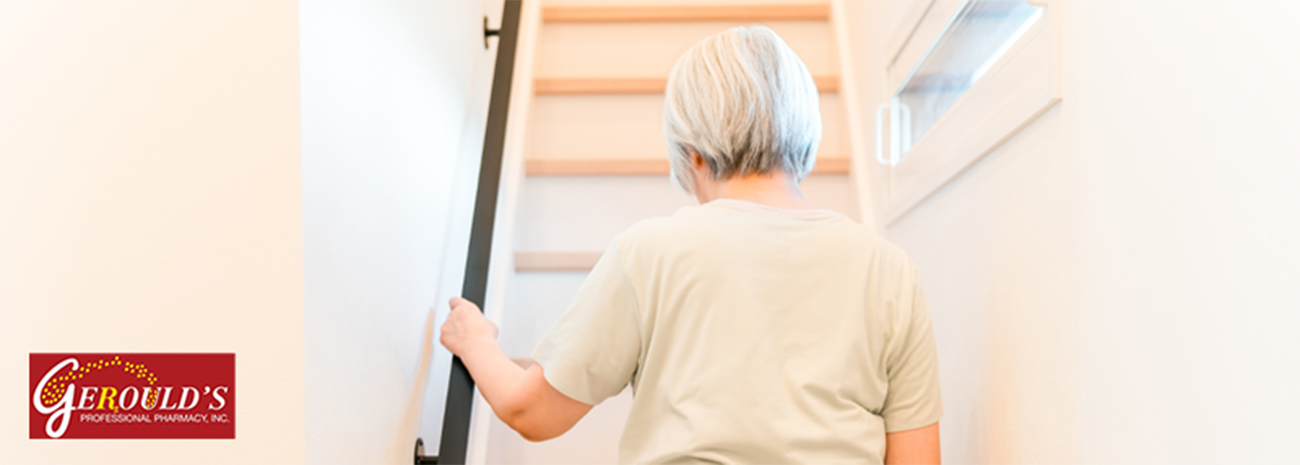
Before fall routines pick back up, daylight gets shorter, and cooler weather keeps more of us indoors, it's worth taking a fresh look at home safety. Hallways and bedrooms are easy to overlook because of how familiar they are. But familiar spaces can still create problems when lighting is low, someone is tired, or a nighttime trip to the bathroom happens quickly.
Fall prevention at home often starts with practical changes: clearing walkways, improving lighting, securing rugs, and making sure mobility supports are easy to reach when they’re needed. Small updates can make daily routines feel steadier and more manageable, especially for older adults, caregivers, and families helping a loved one age in place.
As the fall season approaches, take steps to reduce hallway and bedroom fall risks by clearing walking paths, improving lighting, securing rugs and cords, placing everyday items within easy reach, and reviewing whether mobility aids or home modifications could make daily routines safer. Bedrooms and hallways deserve special attention because they are often used during low-light, tired, or rushed moments.
Falls can often be prevented with a few practical home changes. This guide will run you through some of the most common and quick ways you can make your home safer before the end of summer.
In This Guide
- Why Hallways and Bedrooms Deserve a Fall Safety Check
- Hallway Fall Prevention Tips
- Bedroom Safety Updates Before Fall
- When Home Modifications or Mobility Aids May Help
- Fall Prevention Checklist
- FAQs
Why Hallways and Bedrooms Deserve a Fall Safety Check
Hallways and bedrooms get used during some of the riskiest moments of the day: early mornings, late nights, and times when someone may be moving quickly or carrying laundry, bedding, medications, or personal items. A hallway that feels fine during the afternoon can be harder to navigate after sunset. A bedroom that looks tidy during the day may have cords, bedding, slippers, or laundry in the walking path by bedtime.
Seasonal changes can add to the challenge. In the Southern Tier, fall often means cooler mornings, heavier clothing, and more time spent indoors. If someone already feels less steady, these small changes can combine into a major issue.
Common hallway and bedroom fall risks include:
- Low lighting, especially between the bed and bathroom
- Shoes, baskets, pet items, or laundry in walking paths
- Throw rugs or rug edges that shift underfoot
- Electrical cords crossing the floor
- Furniture that narrows the walking route
- Slippers or socks without enough grip
- Beds that are too high or too low for safe transfers
- Thresholds, uneven flooring, or loose carpet edges
The good news is that hallway fall prevention and bedroom fall prevention don’t typically require a full home renovation. Many improvements are simple, affordable, and quick to complete.
The National Institute on Aging recommends keeping walking areas tidy, using good lighting, securing carpets, avoiding throw rugs, and making sure long hallways have accessible lighting. These are simple steps, but they can make a noticeable difference in how safe and steady a home feels.
Start with Clear, Well-Lit Hallways
A hallway should be easy to walk through without stepping around obstacles, catching a toe on a rug, or searching for a light switch. Start by walking the route as it is actually used, not just as it looks when everything is picked up. Notice the path from the bedroom to the bathroom, the route to the kitchen, and any area where someone turns, reaches, or changes direction.
For better hallway fall prevention, focus on these areas:
- Remove loose items from the floor: Shoes, bags, baskets, books, pet toys, and small furniture can all become trip hazards in a narrow hallway.
- Keep cords out of walking routes: Move lamps, chargers, oxygen tubing, or extension cords so they run along the wall instead of across the floor.
- Improve lighting at both ends of the hallway: Consider brighter bulbs, plug-in night lights, or motion-sensor lights that turn on before someone reaches the switch.
- Secure or remove rugs: Small rugs can slide, bunch, or curl at the edges. If a rug is necessary, make sure it is low-profile and firmly secured.
- Check thresholds and flooring: A raised threshold, loose carpet edge, or uneven board may be easy to miss during the day but more difficult to manage at night.
Make the Bedroom Safer for Nighttime Movement
Bedroom safety is especially important because many falls happen when someone is waking up and getting out of bed or heading to the bathroom. At those times, vision may be blurry, balance may be slower to adjust, and the room may be dark.
Start with the area immediately around the bed. A safe setup should allow someone to sit up, put their feet on the floor, reach what they need, and stand without twisting, bending too far, or stepping around clutter.
Helpful bedroom fall prevention updates include:
- Place a lamp, phone, glasses, and any needed mobility aid within easy reach: If someone uses a cane or walker, it should be positioned where they can reach it before standing.
- Use night lights near the bed and along the path to the bathroom: Motion-sensor lighting can help if someone forgets to turn on a light.
- Review bed height: A bed that is too low can make standing difficult. A bed that is too high may leave feet dangling instead of resting flat on the floor.
- Keep bedding off the floor: Long blankets, comforters, or bed skirts can catch underfoot.
- Choose supportive footwear: Slippers should fit securely and have grip on the bottom. Loose slippers, worn soles, or socks on smooth flooring can increase risk.
- Keep drawers closed and laundry contained: A half-open drawer or small pile of clothes can be enough to cause a stumble during the night.
- Move cords away from the bedside walking path: Phone chargers, lamp cords, CPAP cords, and other equipment should be arranged with safety in mind.
If a loved one has started holding furniture for balance, pausing before standing, or avoiding nighttime bathroom trips because the route feels unsafe, the bedroom setup may need a closer look.
Review Mobility Aids and Home Modifications Before They Become Urgent
Mobility aids can help with fall prevention — when they are properly selected, adjusted, and used consistently. Depending on the person and the home, this might include a cane, walker, rollator, wheelchair, lift chair, grab bars, ramp, stair lift, or other support.
The key is to review these needs before a situation becomes urgent. Waiting until after a fall, surgery, hospital stay, or sudden change in mobility can make decisions more stressful for everyone involved.
At Gerould’s, we help individuals and caregivers explore home medical equipment, mobility products, and independent living solutions that support safer daily routines. Our services include mobility support, respiratory products, independent living solutions, pharmacy services, and home modification guidance for people throughout Southern Tier New York.
Home modifications may be worth considering if:
- Stairs have become difficult or tiring
- Someone avoids parts of the home because of mobility concerns
- A caregiver worries about transfers in or out of bed, chairs, or bathrooms
- A cane or walker helps, but the home layout still creates obstacles
- There has been a recent fall, near-fall, or noticeable change in balance
For families planning ahead, our home modifications resources and mobility resources offer helpful guidance on aging-in-place home safety. You can also read more about planning ahead in our blog on proactive home modifications.
If stairs are part of the concern, a stair lift may be one option to review. You can see an example on our stairlift product page, though the right solution depends on the person, the home, and professional guidance.
A Simple Hallway and Bedroom Fall Prevention Checklist
Use this fall safety checklist before fall weather settles in, or anytime a hallway or bedroom starts to feel harder to navigate.
Hallways
- Clear shoes, baskets, pet items, cords, and loose objects from walking paths.
- Add night lights or motion-sensor lights where visibility is poor.
- Remove throw rugs that slide or curl.
- Keep frequently used routes wide enough for a cane, walker, or caregiver support if needed.
- Check for uneven flooring, raised thresholds, or loose carpet edges.
- Make sure light switches are easy to reach at hallway entrances.
Bedrooms
- Place a phone, glasses, lamp, and mobility aid within reach of the bed.
- Keep the path from bed to bathroom clear every night.
- Use supportive slippers or shoes with non-slip soles.
- Adjust bed height if standing or sitting has become difficult.
- Keep bedding from trailing onto the floor.
- Move laundry baskets, drawers, and cords away from the walking route.
- Add a flashlight or backup light nearby in case of a power outage.
Daily Routine Checks
- Notice whether someone is holding walls or furniture for balance.
- Watch for hesitation when standing, turning, or walking at night.
- Review medication timing with a healthcare provider if dizziness or sleepiness is a concern.
- Schedule an eye exam if vision changes are making movement harder.
- Ask whether a cane, walker, grab bar, lift chair, ramp, or other support could reduce fall risk at home.
When to Ask for Help
A home safety review becomes more important when daily movement starts to change. Sometimes the signs are obvious, like a recent fall. Other times, they show up as small adjustments: furniture being used for support, fewer trips to certain rooms, or a caregiver feeling uneasy when a loved one walks alone at night.
Consider asking for help if you notice:
- A recent fall or near-fall
- Dizziness, lightheadedness, or balance issues
- Trouble getting in or out of bed
- Avoidance of stairs, hallways, or the bathroom
- A walker or cane that seems awkward, unstable, or incorrectly sized
- New difficulty seeing at night
- Caregiver concern about safety during daily routines
A healthcare provider can help review medical factors such as medications, vision, strength, balance, and dizziness. Gerould’s can help with the home safety and equipment side of the conversation, including home medical equipment Southern Tier NY families may need for safer, more comfortable daily living.
Gerould’s Can Help You Plan for Safer Days at Home
Fall prevention at home is easier to manage when you look at the spaces people use every day. Hallways and bedrooms may not seem complicated, but they play a big role in nighttime routines, mobility, confidence, and independence.
At Gerould’s, we’ve served the Southern Tier’s health needs since 1921, and we understand how important it is for individuals and families to stay safe, comfortable, and independent at home. From mobility products and home medical equipment to independent living solutions and senior home modifications, our team can help you think through practical options that fit your home and daily routine.
If you’re planning ahead before fall, helping a parent age in place, or responding to a recent near-fall, we’re here to help. Call our team today or visit us in Elmira to talk through equipment, mobility, and home safety options.
FAQs About Hallway and Bedroom Fall Prevention
What is the easiest way to reduce fall risks at home?
Start by clearing walking paths, improving lighting, removing loose rugs, and keeping everyday items within easy reach. These simple fall prevention tips for seniors can make hallways, bedrooms, and nighttime routines safer without major changes.
Why are hallways a common fall risk for older adults?
Hallways are often narrow, dimly lit, and used during tired or rushed moments. Shoes, cords, rugs, thresholds, and clutter can make them harder to navigate, especially for someone using a cane, walker, or other mobility aid.
How can I make a bedroom safer for an aging parent?
Keep the path from the bed to the bathroom clear, add night lights, place a phone and lamp near the bed, remove loose bedding from the floor, and make sure supportive footwear is easy to reach. A properly placed cane or walker can also help if recommended.
When should I consider grab bars, ramps, or other home modifications?
Consider home modifications when someone has difficulty with stairs, transfers, balance, or moving safely through the home. A recent fall, near-fall, or growing caregiver concern is also a good reason to review options.
Can Gerould’s help with fall prevention equipment?
Yes. We can help individuals and caregivers explore mobility products, home medical equipment, independent living solutions, and home modification options that support safer daily routines at home.
Comments