

Gerould's
Updated 10:33 AM CDT, Tue August 4, 2026
Published Under: Diabetic Footwear
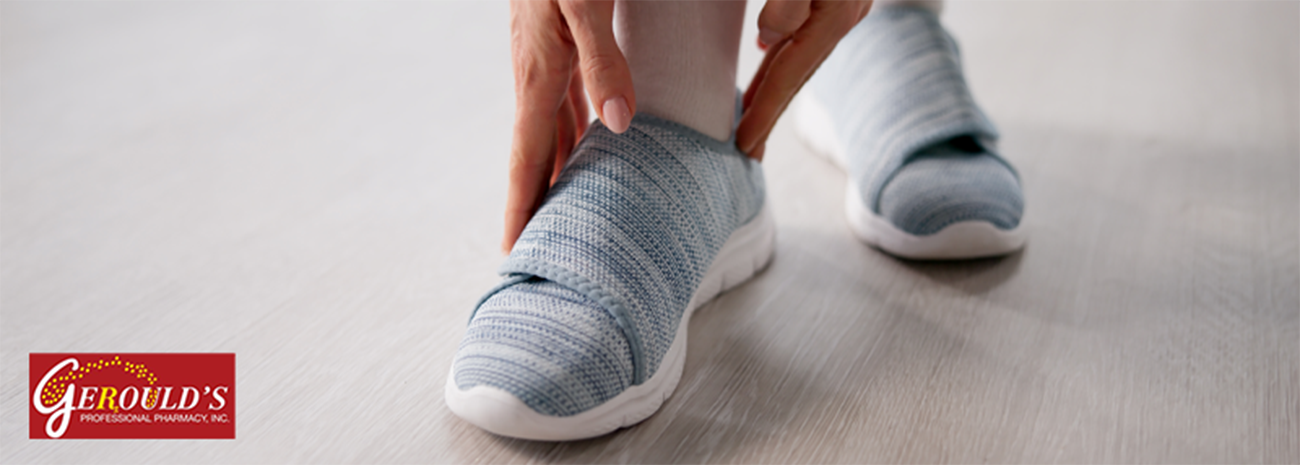
Many people put off asking about diabetic footwear because they picture something bulky, stiff, or obviously medical. Others assume diabetic shoes are only needed after a serious foot problem develops. Those beliefs are common, but they can also keep people from getting support that may make daily walking safer, more comfortable, and less frustrating.
If you live with diabetes, your feet deserve regular attention. Changes in sensation, circulation, skin health, swelling, or foot shape can affect the way shoes fit and feel. Even a shoe that seems comfortable at first can create rubbing or pressure if it does not match your foot’s needs.
Diabetic footwear is designed to help protect feet affected by diabetes, especially when changes in sensation, circulation, foot shape, or pressure points make regular shoes less supportive. Properly fitted diabetic shoes and inserts can improve comfort, reduce rubbing, and support daily foot protection as part of a broader diabetic foot care plan.
At Gerould’s Healthcare Center, we help Southern Tier residents find practical healthcare products that support comfort, safety, mobility, and independence. If you have delayed asking about diabetic shoes because you are unsure whether they are necessary, stylish, comfortable, or easy to get, this guide is for you.
In This Guide
- Why Diabetic Footwear Matters
- Myth 1: Only for Serious Foot Issues
- Myth 2: I Don’t Need Extra Support
- Myth 3: Footwear Looks Bulky or Medical
- Myth 4: Regular Shoes are Good Enough
- Myth 5: Getting Shoes is too Complicated
- Signs it’s Time for Diabetic Footwear
- What to Expect at a Fitting
- Let Gerould’s Help
- FAQs
Why Diabetic Footwear Matters for Foot Health and Diabetes
Diabetes can affect the feet in ways that are easy to overlook. Some people experience reduced sensation, tingling, burning, or numbness. Others notice swelling, calluses, skin changes, or shoes that no longer fit the way they used to. When sensation is reduced, it may be harder to feel rubbing, heat, pressure, or a small blister before it becomes more uncomfortable.
That does not mean every person with diabetes needs the same footwear. It does mean foot health and diabetes should be part of the conversation with your healthcare provider. Daily foot checks, regular medical visits, blood sugar management, and podiatry care all play an important role. Diabetic footwear can be one helpful piece of that larger care plan.
Properly fitted diabetic shoes and inserts may help by:
- Reducing pressure in sensitive areas
- Providing extra depth for inserts or foot shape changes
- Giving toes more room to move comfortably
- Helping limit rubbing from seams, tight spots, or narrow toe boxes
- Supporting feet that are affected by swelling, calluses, or neuropathy
If you notice wounds, sores, numbness, pain, swelling, changes in skin color, temperature changes, or anything unusual with your feet, contact your healthcare provider. Footwear can support comfort and protection, but it does not replace medical care.
Myth 1: “Diabetic Shoes Are Only for People with Serious Foot Problems”
This is one of the biggest diabetic footwear myths. Many people wait until they are already dealing with pain, blisters, or a wound before asking whether special footwear might help. In reality, therapeutic shoes for diabetes may be recommended earlier, especially when someone has risk factors that affect fit, comfort, or foot protection.
That may include:
- Neuropathy or reduced sensation
- Pressure points or recurring irritation
- Calluses, corns, or areas that rub
- Swelling that changes throughout the day
- Bunions, hammertoes, or other foot shape changes
- A past foot sore, wound, or ulcer
- A provider’s recommendation for diabetic shoes and inserts
Diabetic footwear is often about support and protection before problems become harder to manage. If your provider has mentioned therapeutic shoes or inserts, or if your current shoes are causing marks, rubbing, or discomfort, it may be time to ask about a diabetic shoe fitting.
Myth 2: “If My Feet Don’t Hurt, I Don’t Need Extra Support”
Pain is helpful when it tells you something is wrong. But diabetes can sometimes change the way your feet sense pain, pressure, heat, or rubbing. That means a shoe may be causing irritation even if you do not feel much discomfort right away.
This is why daily foot checks matter. Look for redness, blisters, cuts, swelling, calluses, changes in skin texture, or marks left behind by shoes or socks. If it is difficult to see the bottom of your feet, ask a caregiver or family member for help, or use a mirror.
Shoes for diabetic neuropathy are designed with sensitive feet in mind, with features such as:
- Extra depth
- Supportive inserts
- Softer interiors
- Roomier toe boxes
All these features are aimed at helping reduce friction and pressure. They should still be paired with regular provider guidance, especially if you notice numbness, tingling, burning, wounds, or skin changes.
Myth 3: “Diabetic Footwear Always Looks Bulky or Medical”
A lot of people hear “diabetic shoes” and imagine one plain, oversized style. That may have been the impression years ago, but modern diabetic footwear includes more options than many people expect.
Today’s diabetic shoes may include casual shoes, dress shoes, athletic styles, sandals, and adjustable designs. Some are built for easier on-and-off use. Others are made to accommodate swelling, inserts, or wider feet while still looking like everyday footwear.
We carry options from trusted diabetic footwear brands, including Dr. Comfort diabetic shoes. Depending on your needs and fit, styles such as the Dr. Comfort Fisherman, Dr. Comfort Classic, Dr. Comfort Edward X, or Dr. Comfort Carter may be worth discussing during a fitting.
The most important thing is not choosing a shoe by appearance alone. Diabetic shoes must be fitted before purchase so we can help you find an option that works for your feet, your comfort needs, and your daily routine.
Myth 4: “Regular Comfortable Shoes Are Good Enough”
A regular shoe can feel comfortable and still miss key features that matter for diabetic foot protection. General comfort usually means the shoe feels soft, cushioned, or easy to walk in. Diabetic footwear is designed with more specific support needs in mind.
Depending on the style, diabetic shoes and inserts may offer:
- Extra depth to reduce tightness and allow space for inserts
- A roomier toe box to limit pressure on toes
- Cushioning that helps soften impact during walking
- Interiors designed to reduce rubbing against sensitive areas
- Adjustable closures that can help accommodate swelling
- Supportive inserts that help distribute pressure more evenly
This matters because feet can change over time. Swelling, bunions, hammertoes, calluses, or reduced sensation can make shoes that once worked well feel too tight or less supportive. A diabetic shoe fitting can help identify whether your current footwear is giving your feet enough room and protection.
If you or a loved one are also managing mobility changes, balance concerns, or home safety needs, our mobility resources may be helpful as well.
Myth 5: “Getting Diabetic Shoes Is Too Complicated”
The process can feel confusing if you are trying to figure it out alone. Between provider recommendations, fit questions, product options, and coverage questions, it is understandable to put it off.
Working with a knowledgeable local provider can make the next step easier. At Gerould’s, diabetic shoes must be fitted before purchase. That fitting helps ensure the shoe is appropriate for your feet and does not create avoidable rubbing, pressure, or discomfort.
You can call us or stop in to set up a diabetic footwear appointment. We can talk through what you are looking for, help you understand available options, and guide you through the fitting process without making it feel overwhelming.
We do not want you guessing your way through diabetic footwear. Your feet, your comfort, and your day-to-day mobility are too important for that.
Signs It May Be Time to Ask About Diabetic Footwear
You do not have to wait until walking becomes painful to ask questions. It may be time to talk with your healthcare provider or schedule a diabetic shoe fitting if you notice:
- Numbness, tingling, burning, or reduced sensation in your feet
- Shoes rubbing, pinching, or leaving marks
- Swelling that affects how your shoes fit
- Changes in foot shape, such as bunions or hammertoes
- Calluses, corns, pressure spots, or recurring blisters
- Trouble finding shoes that fit comfortably
- Feet that feel more sensitive than they used to
- A provider has recommended therapeutic shoes or inserts
If you have an open sore, wound, sudden swelling, significant pain, changes in skin color or temperature, or signs of infection, contact your healthcare provider promptly. Diabetic footwear can support foot protection, but medical concerns should be evaluated by a clinician.
What to Expect from a Diabetic Shoe Fitting
A diabetic shoe fitting is meant to help you find footwear that fits your feet more appropriately than guessing from a shelf or ordering based on size alone.
In general, you can expect a conversation about your needs, daily activities, current shoes, comfort concerns, and any provider recommendations you have received. We may ask about areas where your shoes rub, whether your feet swell, whether you use inserts, and what types of shoes work best for your routine.
From there, the fitting focuses on finding an appropriate size, width, depth, and style. You may try different options to see how they feel while standing and walking. The goal is to help you find diabetic footwear that supports comfort, accommodates your foot shape, and helps reduce avoidable pressure or rubbing.
A good fit should not feel tight, cramped, or irritating. It should also match the way you live. Someone who needs a supportive everyday shoe may have different needs than someone looking for a dress option, sandal, or athletic style.
Gerould’s Can Help You Find Diabetic Footwear That Fits Your Life
Choosing diabetic footwear can feel personal because it affects how you move through your day. You may be walking around the house, running errands, going to appointments, visiting family, or trying to stay active. Your shoes should support those everyday moments, not make you feel limited by them.
At Gerould’s, we help local customers find diabetic footwear, diabetic shoes and inserts, and related diabetic supplies with a practical, supportive approach. We understand that comfort, protection, fit, and appearance all matter. We also know many people come in with questions they have been sitting on for a while.
If you are searching for diabetic shoes near me in the Southern Tier, we would be glad to help you take the next step. Call us or stop in to schedule a diabetic footwear appointment. Because diabetic shoes must be fitted before purchase, an appointment gives us the chance to help you find an option that fits your feet and your life.
You can also continue learning through our diabetic footwear page or visit our home page to explore more ways we support local health, comfort, mobility, and independence.
Frequently Asked Questions About Diabetic Footwear
What is diabetic footwear?
Diabetic footwear refers to shoes and inserts designed to support foot comfort and protection for people living with diabetes. These shoes may include extra depth, roomier toe boxes, cushioning, supportive inserts, and features that help reduce rubbing or pressure.
Who should consider diabetic shoes?
People with diabetes may want to ask about diabetic shoes if they have neuropathy, reduced sensation, swelling, calluses, pressure points, foot shape changes, recurring blisters, or a provider recommendation for therapeutic shoes or inserts.
Can diabetic shoes look like regular shoes?
Yes. Many modern diabetic shoes look similar to regular casual, athletic, dress, or sandal styles. The difference is in the supportive features, fit, depth, cushioning, and design details that help protect sensitive feet.
Do diabetic shoes need to be professionally fitted?
Yes. Diabetic shoes must be fitted before purchase. A proper diabetic shoe fitting helps ensure the shoe has the right size, width, depth, and support for your feet.
Can Gerould’s help me choose diabetic footwear?
Yes. We help local customers explore diabetic footwear options, including diabetic shoes and inserts, with a focus on fit, comfort, and daily foot protection. Call or stop in to schedule a diabetic footwear appointment.
Comments